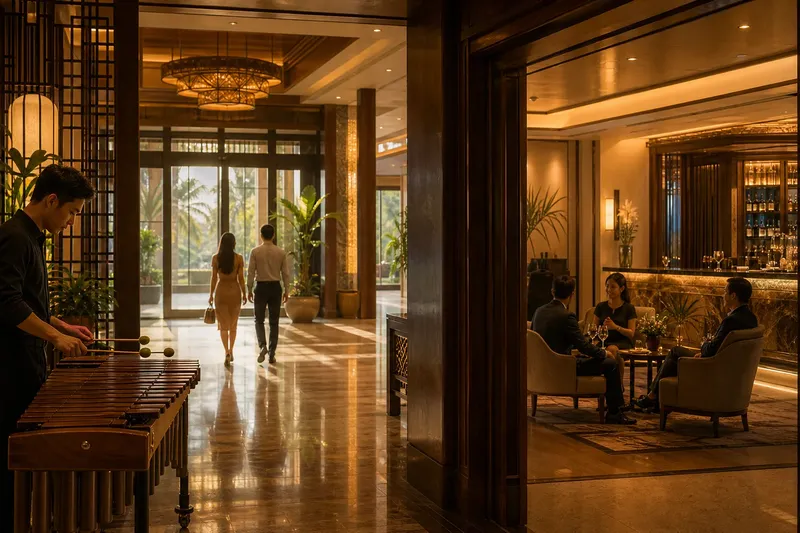
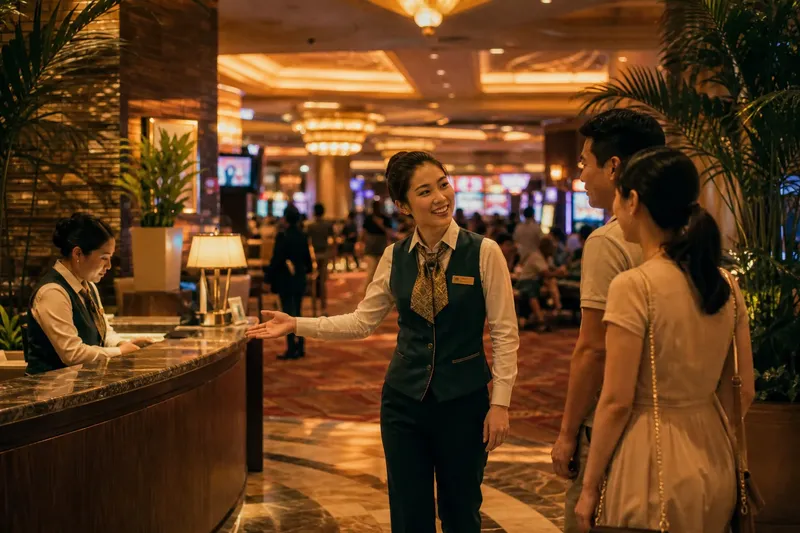
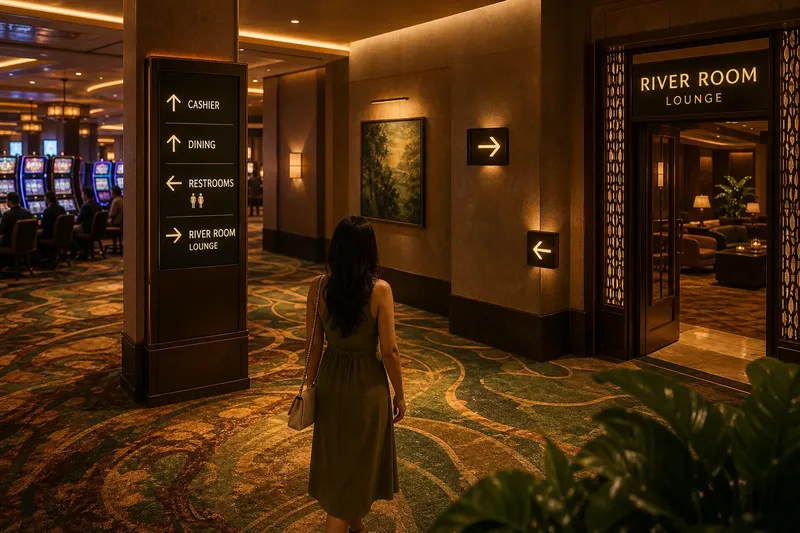
Casino Bình Phước Through Sound, Service, and Social Rituals
Casino Bình Phước can be described through sound, service, and social spaces. Use this editorial framework to turn available details into a vivid, grounded account.
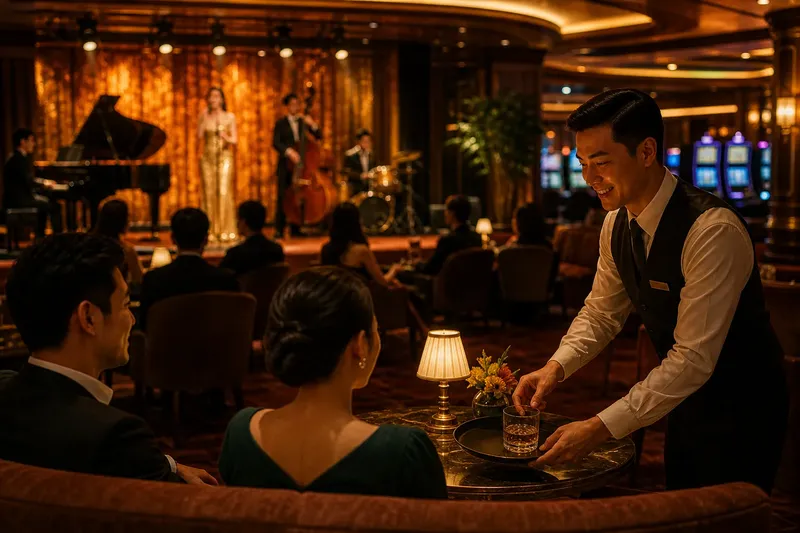
Casino Bình Phước is best described through specific details about sound, service, and shared spaces—not assumptions drawn from the word “casino.” A listing that names a live performance, for instance, supports a different description from one that says nothing about entertainment.
For an editor, the practical question is how to build a vivid cultural portrait from limited material. Treat each detail as a small piece of a room’s story: note what a source states, explain what that detail might suggest, and identify what remains unanswered.
Sound as a clue
Sound helps shape how an entertainment space feels, but a venue name alone cannot tell you what guests hear. Look for precise descriptions such as live music, a named performer, recorded tracks, or background music. If a listing says only “entertainment,” do not turn that broad label into a claim about a band, genre, or dance floor.
The distinction is like reading a lamp’s position in a room: it can suggest where attention might fall, but it cannot tell you what every person is doing. A stage listing can identify a focal point without proving how guests respond to it.
When an available description is silent on sound, use that absence to set the scope of the account. You can still write about named performance spaces or scheduled events, while leaving volume, music style, and audience reaction unstated.
Service in small gestures
Service becomes a meaningful editorial subject when it is described through an attributable action. A host greeting arriving guests, a server taking an order at a table, or staff explaining an entry process can each show how an interaction is organized—if a reliable source confirms it.
Do not turn one gesture into a claim about local custom. A welcome, for example, can be described as a venue practice when it is documented; it does not by itself establish a broader tradition or expectation. If service details are absent, leave the routine open rather than filling the gap with a familiar casino pattern.
Keep separate notes for what is stated and what it may suggest. “The description says a host welcomes guests” is a reportable detail. “The greeting creates a formal atmosphere” is an interpretation, and should be presented as one.
Spaces and shared attention
A room’s arrangement can suggest how different activities might fit together. Seats facing a stage may orient attention toward a performance; lounge chairs grouped apart may allow smaller conversations. Those are possibilities implied by layout, not evidence of actual guest behavior.
Imagine an invented venue description for Casino Bình Phước that names a small performance area and separate lounge seating but says nothing about dining or service. An editor could describe the two named spaces, then say the layout may support both shared attention and quieter conversation. The editor would leave food arrangements and ordering methods unspecified because the description provides no basis for them.
This approach keeps the account concrete without turning a floor plan into a story about what visitors do. If a later reliable description names another feature, such as table service, the account can add it as a documented detail.
How can details guide an account?
How should music be described?
Use the format or style named by a reliable listing, such as a live set or recorded music. If the source names no format, say that the available description does not specify one.
Which service details belong in the story?
Include concrete actions that an attributable source describes, such as a host greeting guests or staff taking orders at a counter. Avoid using a single action to define a whole culture or every guest’s experience.
What can the layout tell a reader?
Describe the arrangement and its plausible function: stage-facing seats can focus attention, while a separate lounge can leave space for conversation. Make clear that layout alone cannot confirm how people use the room.
What if information about Casino Bình Phước is sparse?
Build the account around the details that are actually available, and name the areas the source does not address. Do not fill gaps about entertainment, food, access, or service with assumptions.
A usable editorial check
Before drafting, sort the available material into three groups: stated features, interpretations, and unanswered questions. Use the checks below to decide what to include and what to leave open.
- Check the venue description: If it names a room or event, use that specific wording; if it gives only a broad label, describe the label without assigning a more specific format.
- Check for named performers or music: If a reliable listing names an act or music format, report it with attribution; if it does not, leave the genre and performance style unstated.
- Check the stated service process: If the material explains hosting, ordering, or table service, describe that process; if it says nothing about service, do not infer a routine.
- Check whether a layout is actually described: If the source names stage-facing seats or lounge areas, report the arrangement; if it does not, avoid inventing room features.
- Check food claims: If the material names dining options or a service method, include only those stated details; if food is unmentioned, leave dining out of the account.
- Check entry information: If venue materials state entry conditions, describe them accurately and direct readers to the stated terms; if conditions are unclear, say they need confirmation.
- Check each cultural interpretation: If a claim rests on a documented detail, connect the interpretation to that detail; if it rests only on a place name or a familiar venue stereotype, remove it.
For Casino Bình Phước, this method makes a short description more useful without pretending it can answer every question. Readers can see which details come from available information and which are editorial readings of those details.
Place without assumptions
A place name can invite associations with local food, music, language, and hospitality. Those subjects may enrich an account when the material connects them to the venue; without that connection, they should not be presented as defining features.
A strong account of Casino Bình Phước can remain specific even when its source material is limited: name the documented sound, service, and spatial details, then explain their possible meaning with care. That distinction lets readers understand both the venue’s described character and the boundaries of what the available information supports.